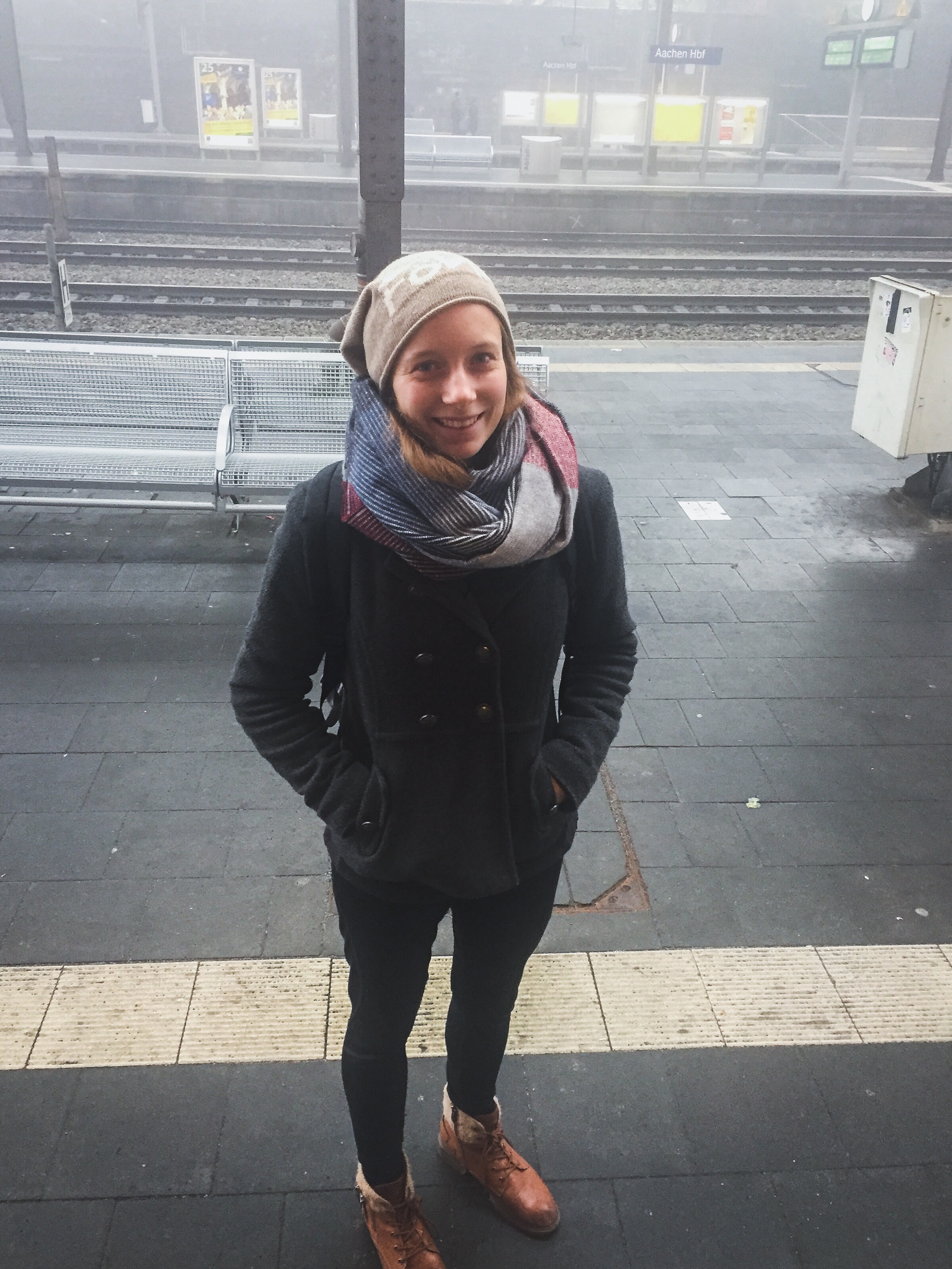
I met my German friend Mary during her foreign exchange year in the States seven years ago, and, while we have visited each other since then, we’ve maintained our long-distance friendship has through Skype and Christmas cards. When I saw her again, it was like no time had passed.
Before doing much in Germany, we took a day trip to Maastricht, Holland. We spent the morning wandering around, taking in the beautiful old architecture. In the afternoon, we explored the underground tunnel system. The tunnels are roughly 1,000 years old and stretch 50 miles to Amsterdam. They were created for mining limestone but are now used primarily for entertaining (and scaring) tourists.
I felt a little claustrophobic 90 feet underground, and it didn’t help that our tour guide told us about people who got lost in the tunnels and died from hypothermia. He heightened the drama by turning off his lantern and telling us to walk 50 feet into pitch-black darkness; it was so dark, he said, that our eyes could never adjust.

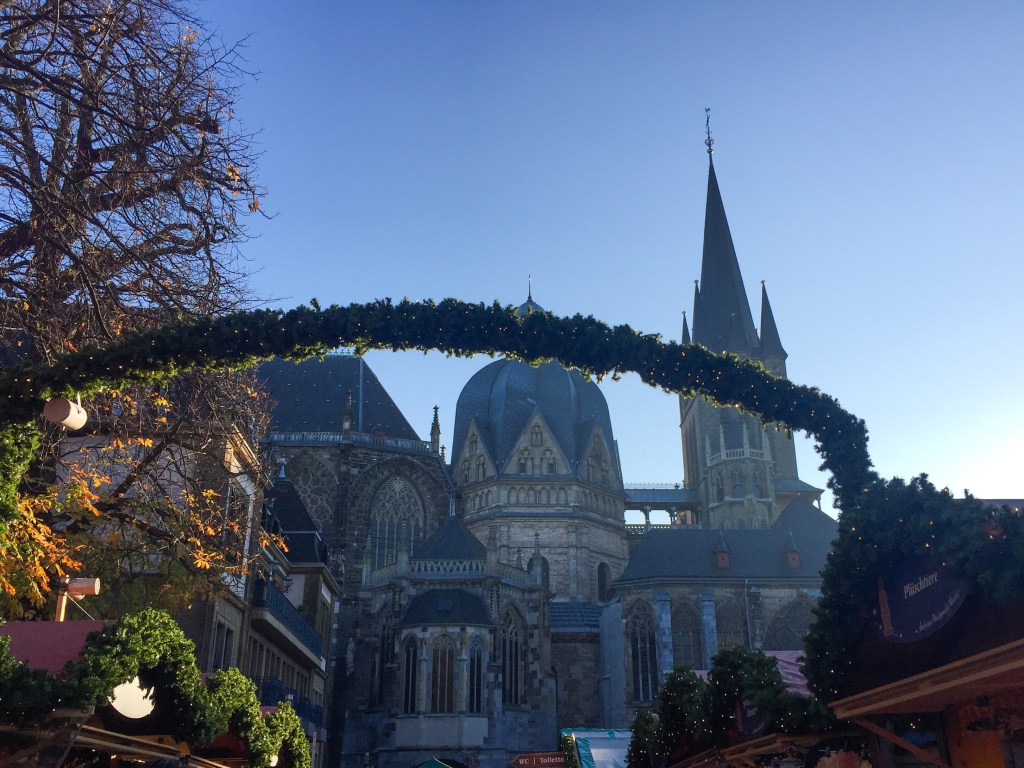
We spent the rest of the week in Aachen, Germany, founded by Charlemagne in 1,300 and well known for its massive cathedral and Christmas markets.
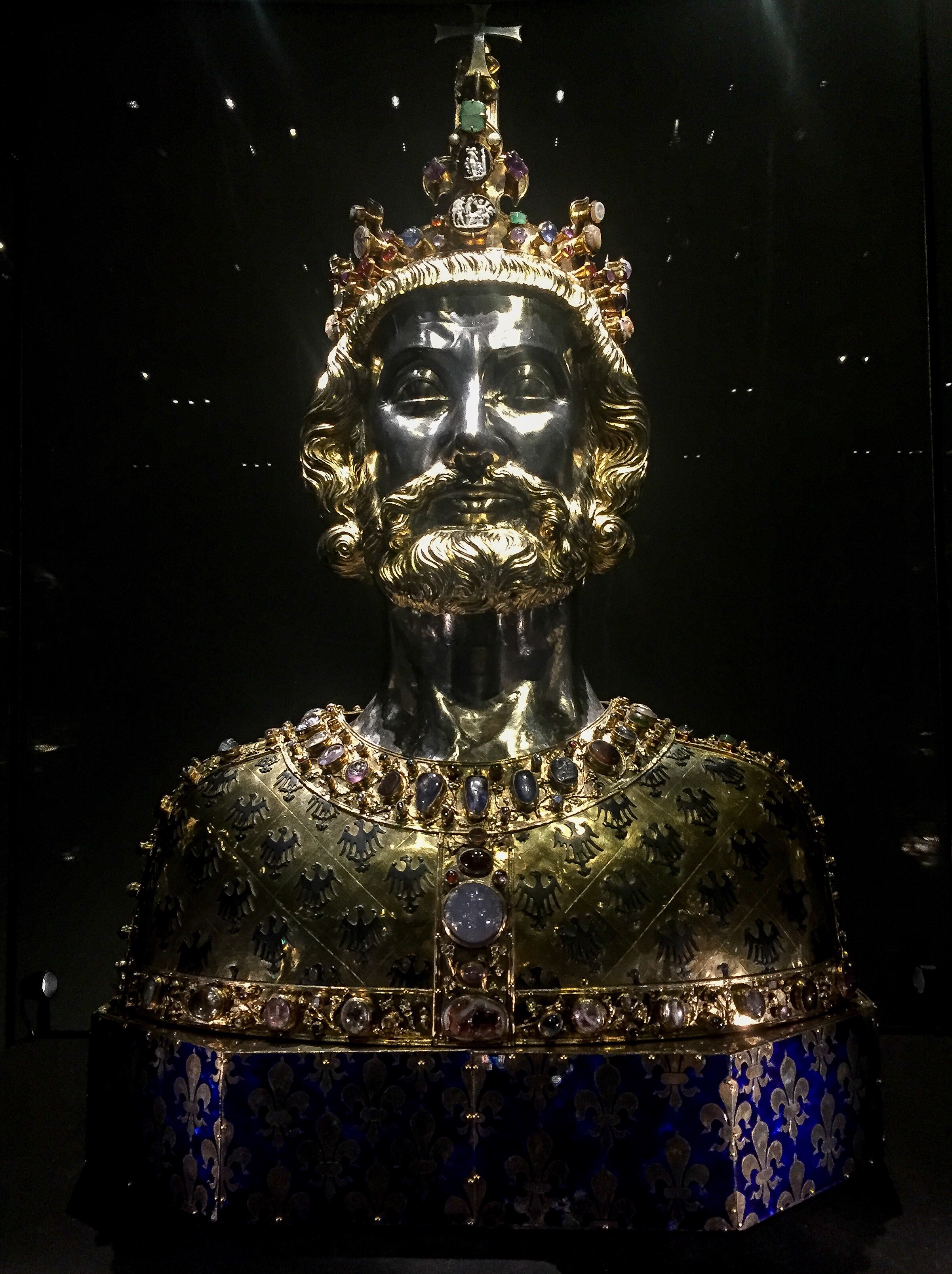
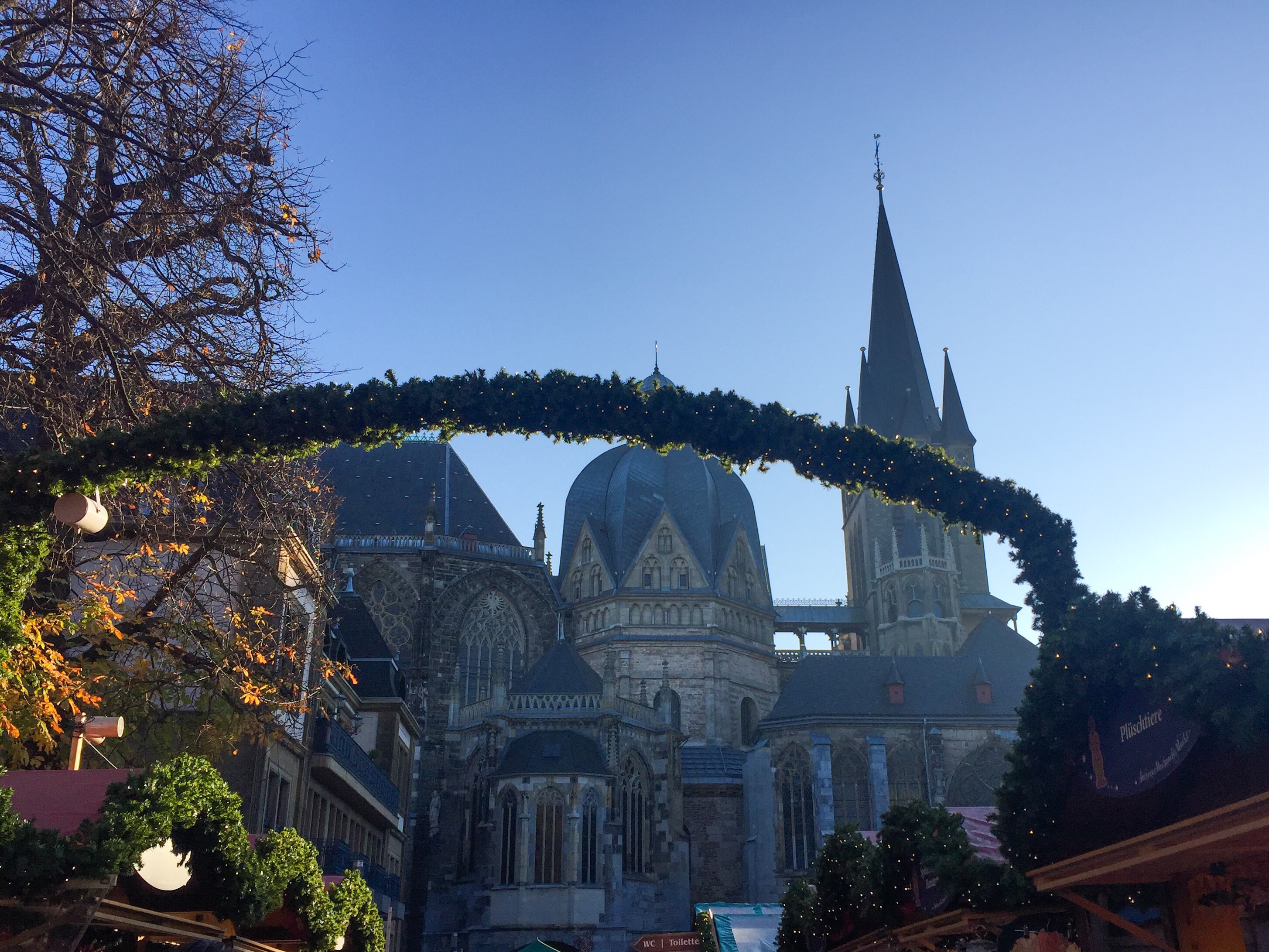
While walking through the woods around the city, Mary told me the origin story of Aachen. Legend has it that when Charlemagne left town, his citizens didn’t have sufficient funds to finish his cathedral. Thus, they went to the Devil for a loan in exchange for the first soul that entered its doors. The Devil knew that Charlemagne would be unaware of the pact and the first soul to enter the cathedral. He also knew the Acheners would not admit to making such a pact. When Charlemagne returned to town and thrust open the doors of his new cathedral, a village woman released a wolf that ran ahead into the building. That is why the city’s saying is, “Aacheners are too smart for the devil.”
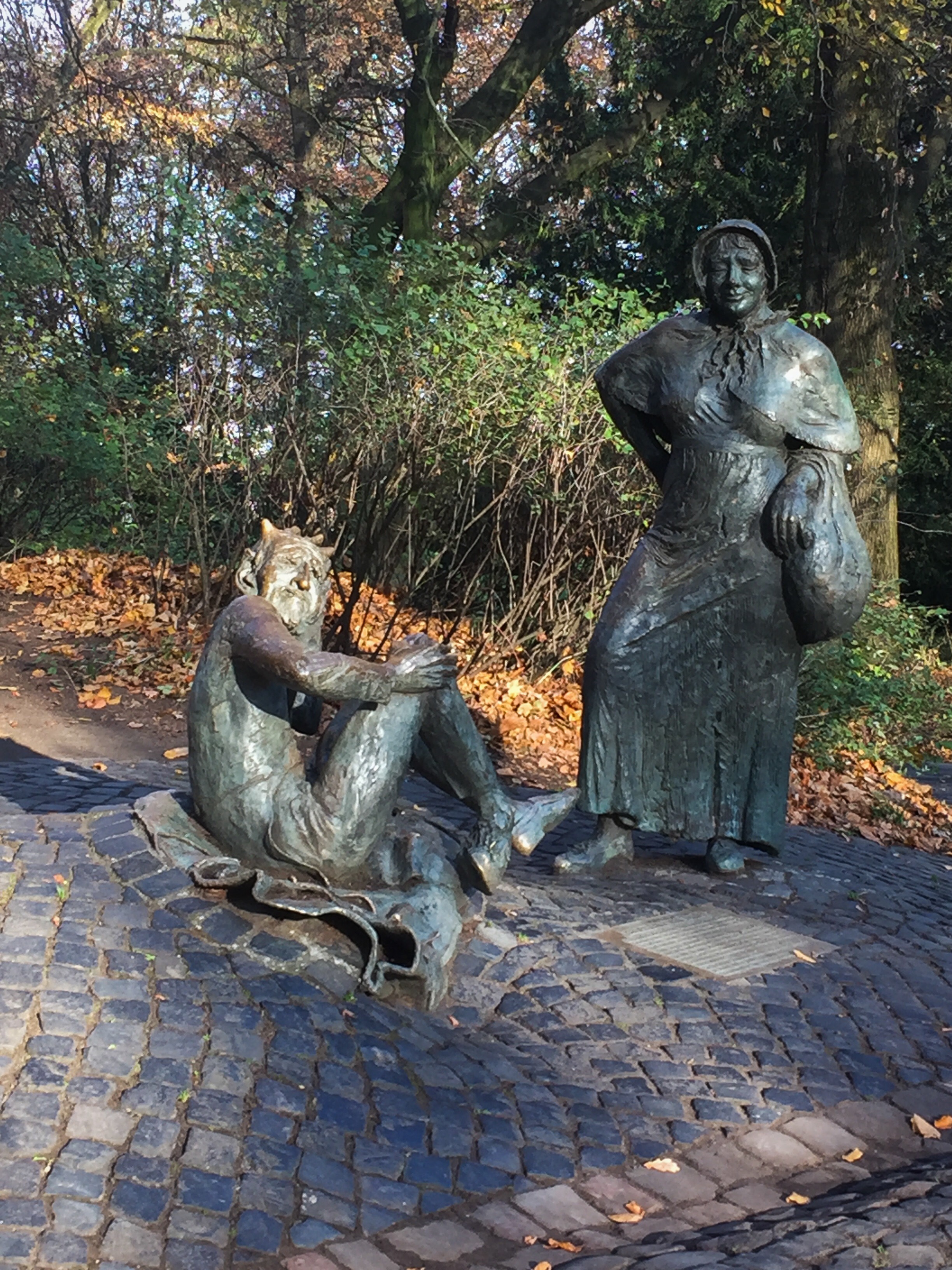
Indeed, Mary and her friends are exceptionally smart engineers with work-hard/play-hard mentalities. I went to several unique parties that week. One night we played Kegelbahn, which is like bowling but more accessible because the balls are smaller. We had an alley all to ourselves, so we played music and drank mulled wine.
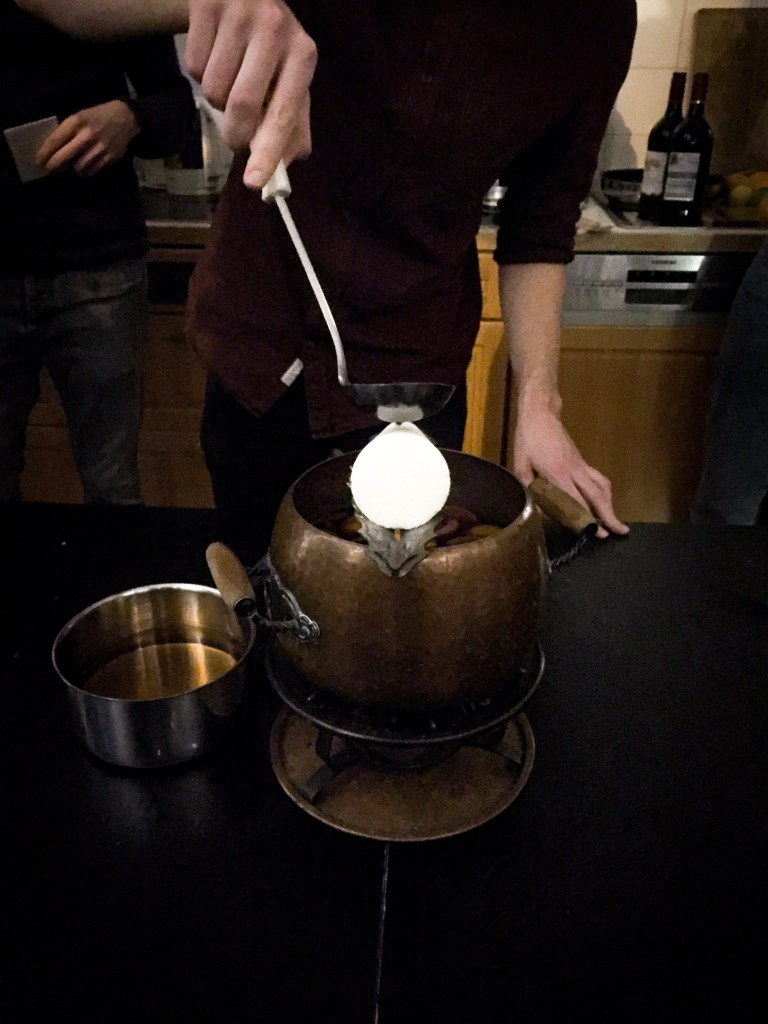
My favorite night was the one when Mary hosted a party with her former roommate Constantine. She cooked Belgian waffles and covered them in fresh whip cream and cherry sauce while he made Feurzangenbowlr or “fire tong punch.”
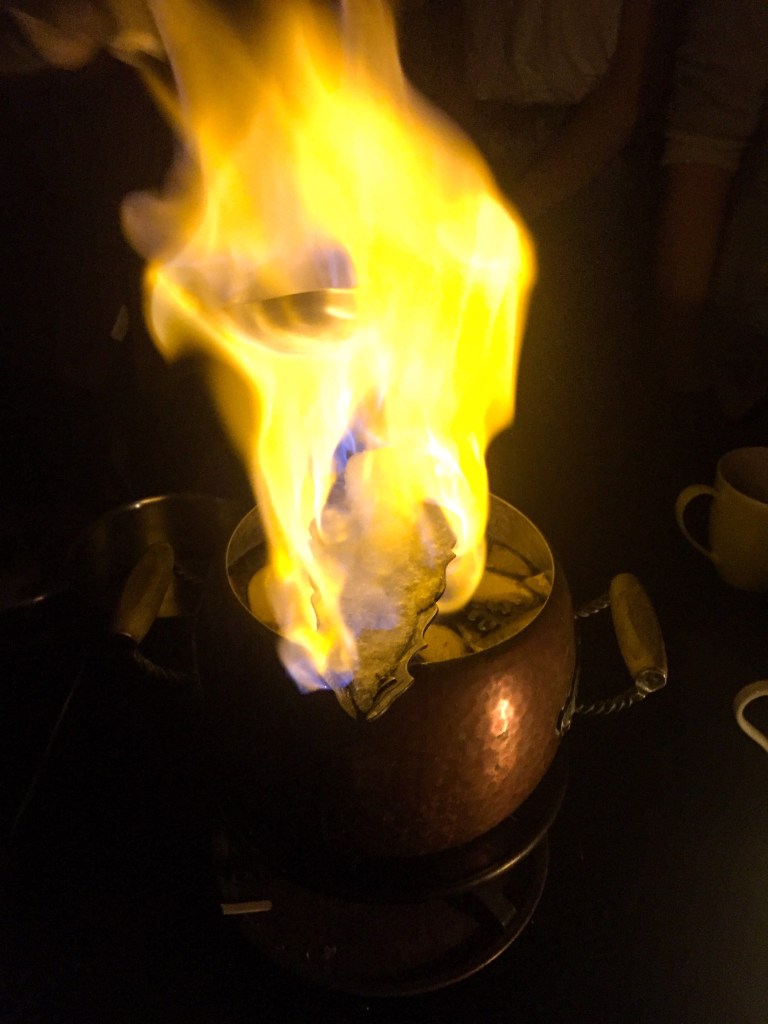
Feurzangenbowlr (a word I asked four different Germans to pronounce for me) is an impressive holiday tradition. Constantine placed a cone of sugar on a metal slab over a cauldron full of mulled wine. He dowsed the sugar in rum and set it on fire so that it dripped into the drink. With the lighting of the sugar cone, everyone gathered around like kids at a campfire. He gave me the first glass, and it was delicious.
The tradition sparked feelings of camaraderie, and it was as if I was another old friend at the party. People were eager to talk to me in English about anything from culture and politics to literature and philosophy. I appreciate that I could not have had such an evening as a lone tourist.
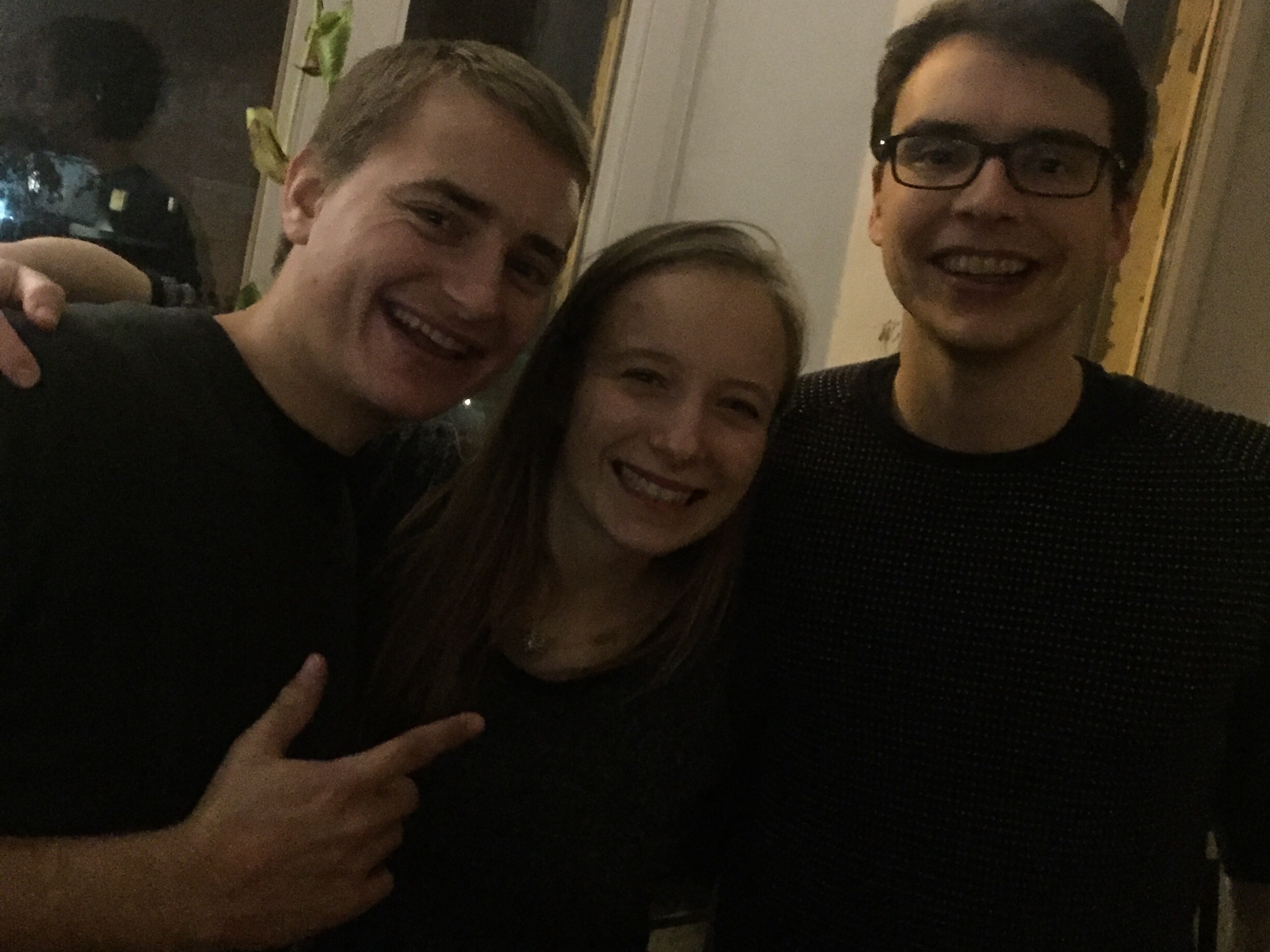
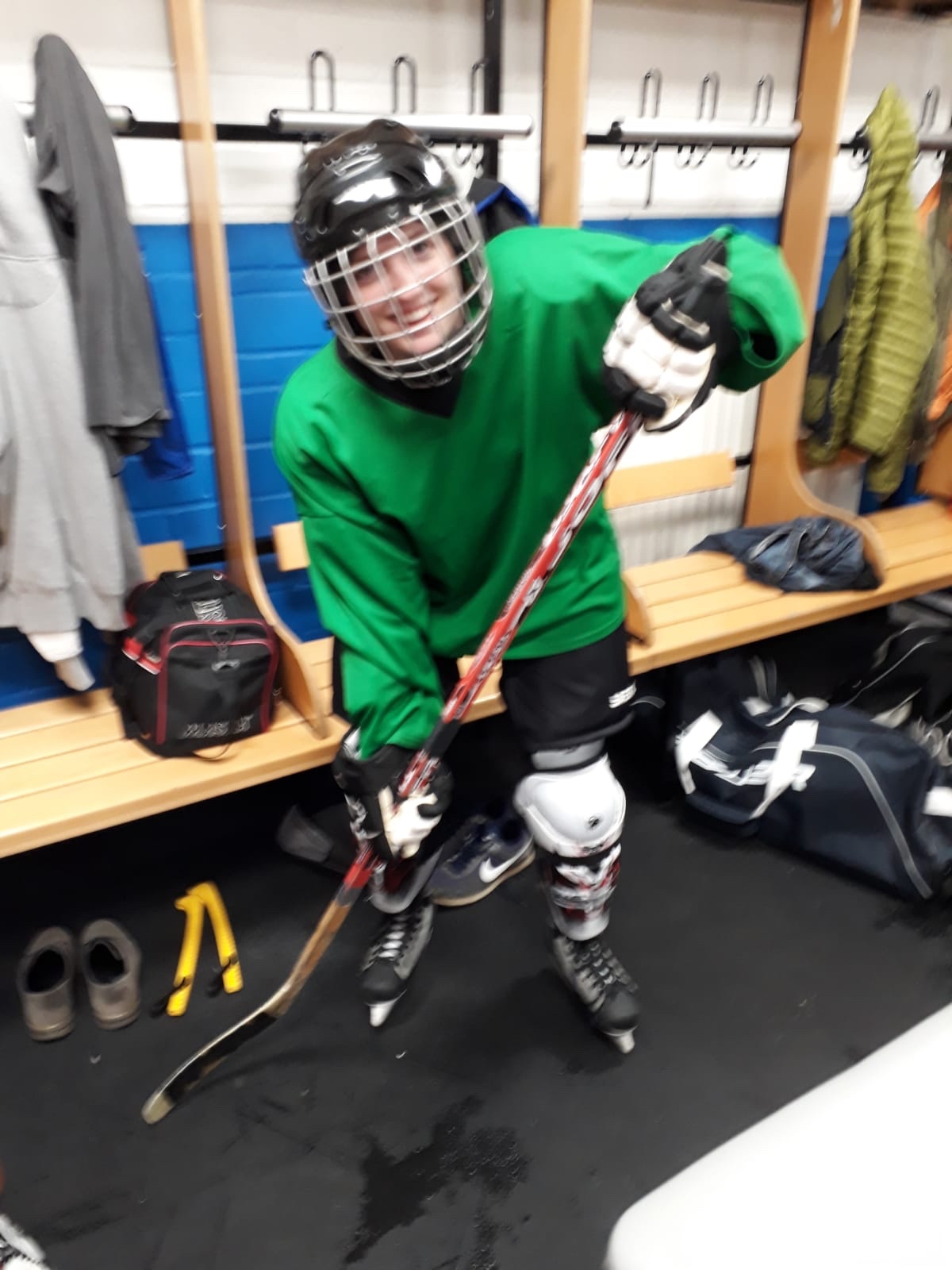
My time in Germany was jam-packed with fun activities. We went to the local zoo, where I learned German animal vocabulary. We swam in the city’s thermal baths and did water aerobics with the elderly. We even played ice hockey. Mary is one of two girls who play hockey in a group of 30 at the local club!
Even with all our activities, I still had plenty of time to relax in her apartment, where I felt totally at home. I could nap, cook, do laundry, and watch TV. These simple things are warm comforts on a long journey.
Thank you, Mary, for your generosity and good planning. I hope I can return the favor soon.
Ich Liebe Dich!
 Darcy Hughes
Leave a comment